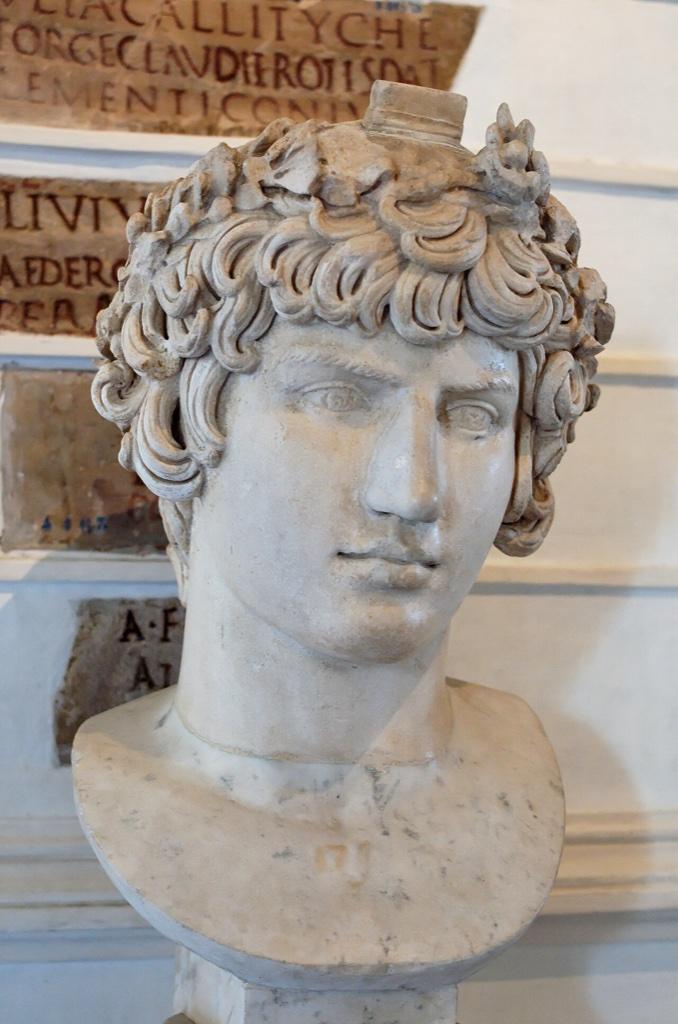
Antinous, Capitoline bust
DOES NOT MOG
Unknown Roman sculptor. Photo: Jastrow (2006). Public domain. Wikimedia Commons
Do the outer corners of the eyes sit higher than the inner corners?
Measures the eye axis: the line from the inner corner of each eye to the outer corner. A clear upward tilt reads as alert; a downward tilt reads as tired, whatever the owner's actual sleep schedule.
Send one image as a base64 data URL in image: PNG, JPEG, or WebP, at most 3 MiB (3,145,728 bytes) decoded. Text is optional context. A request with an image costs 10 units however many image formulas it names, so batch this one with others such as Jawline and Hunter Eyes, up to 8 per request.
The call returns noul, the probability from 0 to 1 that the answer is yes, and mogs, the verdict. The pass/fail boundary is set on the server and never returned. Use mogs as the decision and noul to rank.
Scored ahead of time with version 1. Each verdict uses the pass/fail boundary in force now.
Unknown Roman sculptor. Photo: Jastrow (2006). Public domain. Wikimedia Commons
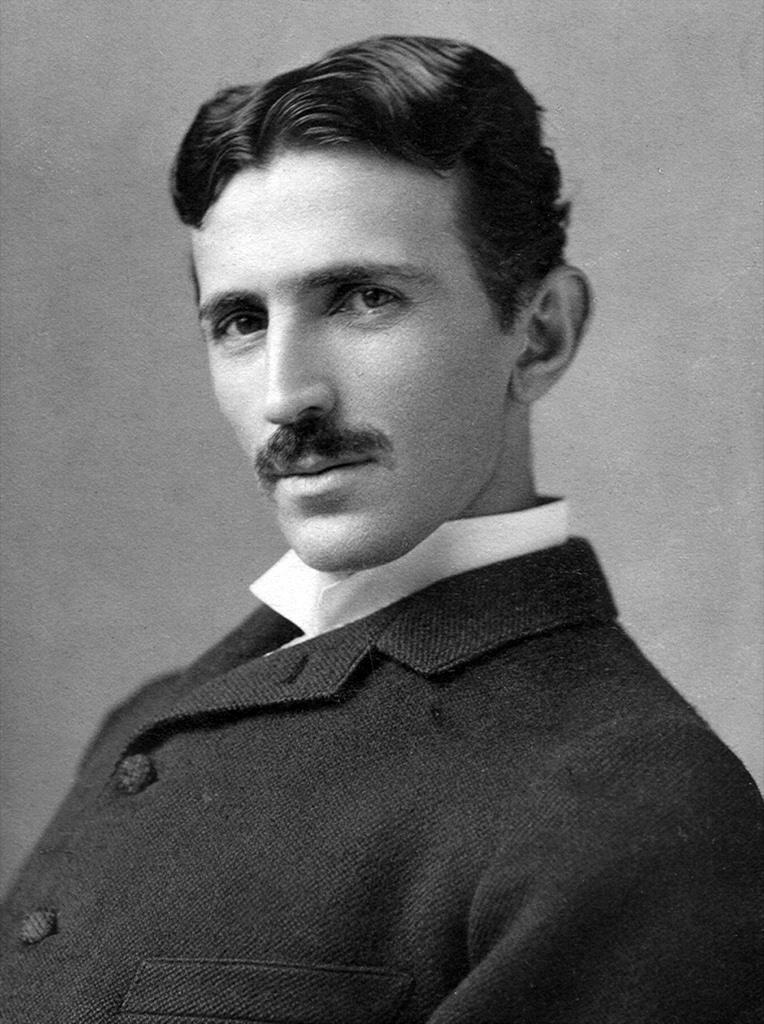
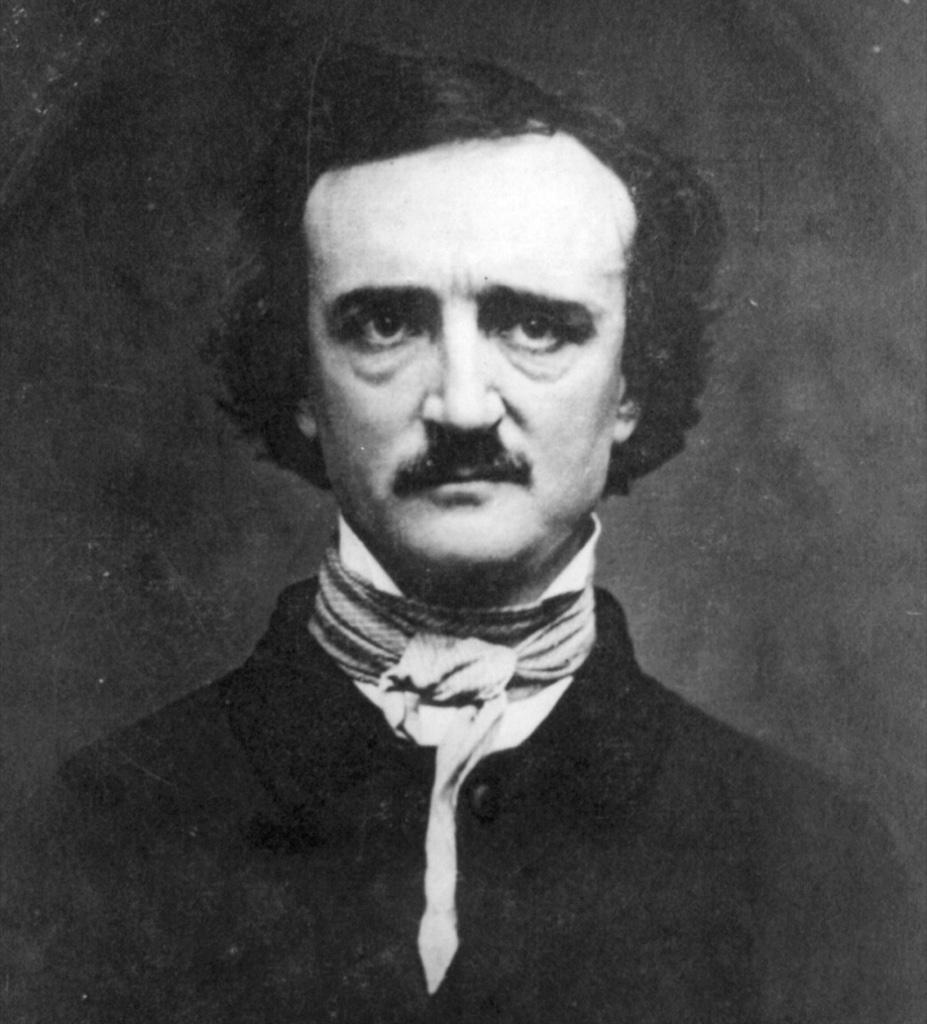
W.S. Hartshorn (1848 daguerreotype). Crop: BorgQueen. Public domain. Wikimedia Commons
Scored examples show their result at once. Your own image needs an API key and spends 10 units per run.
Canthal Tilt
Image inputcanthal-tiltDo the outer corners of the eyes sit higher than the inner corners?
Examples
Pre-computed, free
Scores one image, with optional text as context.
Sent with the image. Leave it empty to judge the image alone.
Antinous, Capitoline bust
Encoding
Example image
Any image your browser can open. Resized to 1024 px on the long side and sent as JPEG.
Paste an API key to score your own input. Examples above are free.
Antinous, Capitoline bust, scored when the example was added. No request was sent.


